Receding gums means that the gum tissue is pulling away from the teeth, leaving a portion of the roots exposed. This can happen for a variety of reasons from gum disease to brushing too hard. It is more likely to occur as you age.
Gum recession is very common. Most adults have some degree of it, and it typically worsens over time without treatment. In mild cases receding gums can lead to sensitivity due to exposure of the roots, as well as cosmetic concerns. In severe cases it leaves the teeth without proper support, allowing them to become unstable.
Modern treatment for receding gums involves the use of dental lasers to eliminate bacteria and diseased tissue, leaving the healthy gum tissue intact. Learn more about how laser technology can stop or reverse gum recession with minimally invasive techniques for improved comfort.
What Causes Receding Gums?
- Periodontal disease. More commonly known as gum disease, this infection of the gums caused by a buildup of plaque on the teeth leads to receding gums.
- Aggressive brushing. Brushing your teeth too vigorously or with too much pressure can irritate the gums and cause them to pull away from the teeth. Using a hard brush or abrasive toothpaste can also be a problem.
- Genetics. In some cases receding gums runs in the family and is passed on from generation to generation through genes.
- Aging. Receding gums tend to worsen with age due to a general decrease in collagen production in the body.
Symptoms of Receding Gums
- Sensitivity. As the gums recede the roots are left exposed, which are more sensitive to temperature, sweets, and contact.
- Longer-looking teeth. With more tooth material exposed due to receding gums, the teeth tend to look longer than normal.
- Gaps or pockets between the teeth and gums. You may notice that there are larger spaces between your teeth or deeper pockets between your teeth and gums. These sometimes look like black triangles.
Contact an experienced periodontist if you notice any of the above symptoms. Early diagnosis and treatment result in more positive outcomes and less invasive procedures.
How Laser Treatment Works for Gum Recession
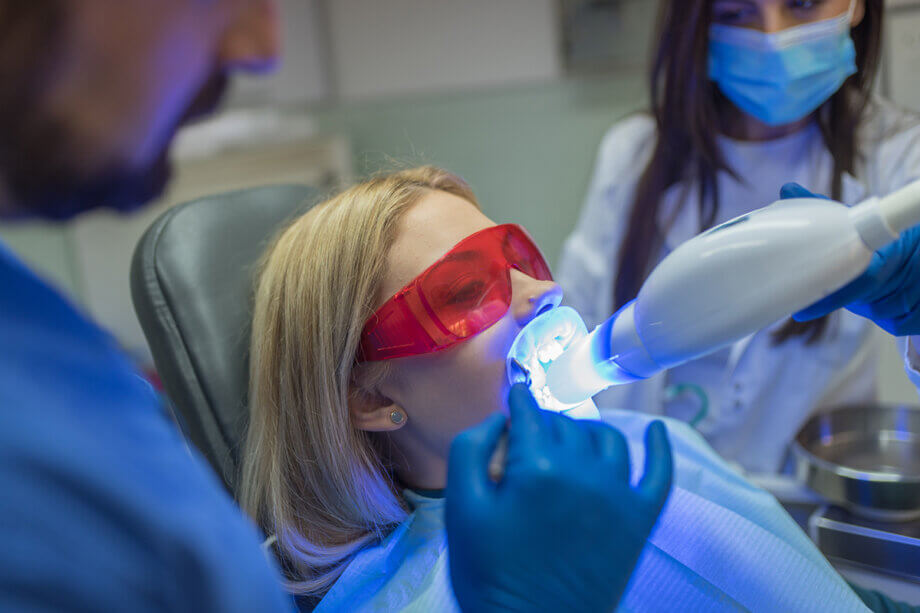
In periodontics, dental lasers are designed for a few different tasks. Some are used to vaporize tissue as opposed to cutting, resulting in greater comfort and reduced bleeding and inflammation.
When it comes to gum recession, specialized lasers are designed to seek out and eliminate diseased tissue without harming healthy tissue. Laser treatment can also stimulate collagen production in your gum tissue, allowing them to reattach to the teeth more firmly.
Benefits of Choosing Laser Gum Treatment
- Minimally invasive approach. Laser gum treatment reduces bleeding and swelling. In most cases sutures are not necessary.
- Faster healing time. Patients recover more quickly due to the minimally invasive method dental lasers offer.
- Improved patient comfort and outcomes. Treatment is more effective and more comfortable for patients with the use of lasers.
- Reduces anxiety. Patients with dental anxiety can have a more relaxing experience because dental lasers are more comfortable and less intimidating.
Who Is a Good Candidate for Laser Treatment?
Laser treatment is most effective for patients with mild to moderate gum recession. In severe cases, gum grafting may be necessary to replace lost gum tissue. A professional evaluation by a periodontist can provide insight into the best treatment option for you.
Protect Your Smile with Advanced Gum Care
Laser treatment is a highly effective option for receding gums. But professional care is essential to success. Contact us at Hudson Valley Periodontics and Implantology today to schedule a consultation and find out if laser dentistry may be the right treatment for you. Our team of doctors provide expert diagnoses and personalized care that meets every patient’s individual needs.
Frequently Asked Questions About Gum Recession Treatment
Is laser treatment painful?
Laser treatment is more comfortable than traditional methods, but local anesthesia is still used to prevent any discomfort.
How long does it take to recover from laser gum treatment?
You may experience some mild discomfort for 24-48 hours that can typically be managed with over the counter pain medication. A soft diet can help prevent further irritation. Swelling and discomfort should subside within a week of your procedure.
At Hudson Valley Periodontics and Implantology, we are committed to helping our patients achieve healthy, confident smiles through advanced periodontal care. Our team uses the latest techniques and technology to provide personalized treatment in a comfortable setting. If you are experiencing signs of gum recession, contact us today to schedule a consultation.