The loss or extraction of a tooth can set the process of bone loss in motion. The support structures for your teeth begin to weaken and dissolve in the absence of one or more teeth, especially the jaw bone. This can affect oral health, facial structure, and eligibility for dental implants (replacement teeth).
The good news is that bone loss can be prevented and even reversed in many cases, thanks to two periodontal procedures. Ridge preservation and bone grafting are commonly used to prepare for the placement of dental implants to replace lost teeth.
In this article we will explain these procedures and highlight the differences to help you better
Why Bone Loss Happens After Tooth Extraction
When a tooth is missing or removed from the socket the jawbone begins to shrink through a process called resorption. The body gradually absorbs the bone due to lack of use, leading to loss of density and structure. Not only does this have a negative impact on your oral health, it also affects your appearance, causing the sunken jaw look that is common after tooth loss.
Bone loss can also make you ineligible for dental implants, the highest quality tooth replacement option. Dental implants are surgically placed in the jaw for stability, providing natural appearance and function. But without sufficient bone structure, dental implants may not be an option.
Rather than settling for a lower quality tooth replacement option, consider bone grafting after bone loss or ridge preservation to prevent it.
What Is Ridge Preservation?
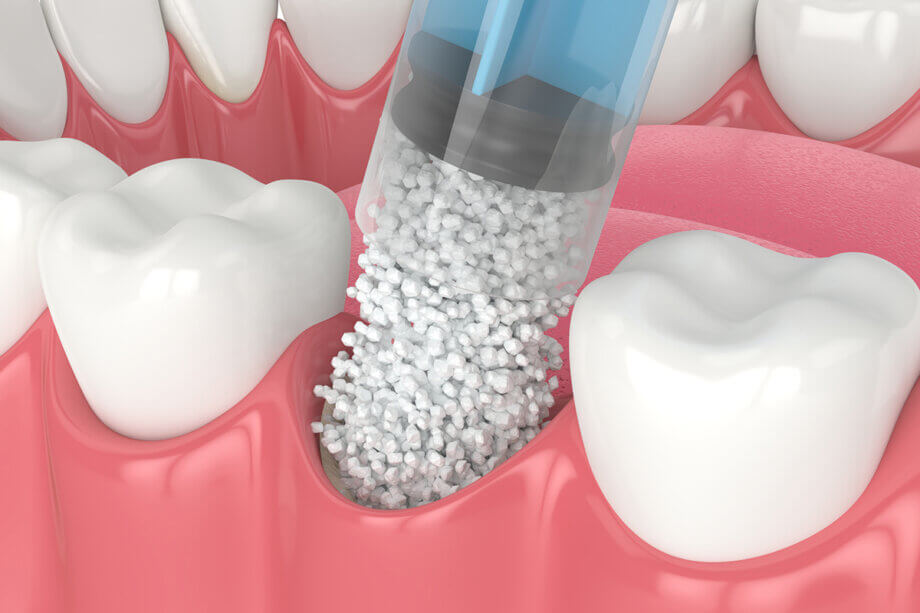
Ridge preservation is a procedure that immediately follows a tooth extraction. After the tooth is removed, bone graft material is placed in the socket to prevent loss of bone structure and to regenerate the existing bone that may have weakened due to gum disease. This procedure helps maintain the natural shape of the jaw and paves the way for dental implant placement.
What Is Bone Grafting?
Bone grafting can be done at any time after tooth loss. A bone fragment is placed on top of the existing bone to strengthen it and encourage new growth. The process of bone regeneration takes longer than ridge preservation, meaning you may need to wait a few months before getting dental implants.
Ridge Preservation vs Bone Grafting: Key Differences
- Timing. Ridge preservation must be done immediately following a tooth extraction, but bone grafting is more flexible in terms of timing of the procedure.
- Materials. The type of bone grafting material differs from one procedure to the other and depends on your individual needs.
- Recovery. Recovery time after bone grafting is more extensive than ridge preservation, as the growth of new bone can take a few months or even longer depending on the extent of bone loss.
Which Procedure Is Right for You?
Each case is unique, and your periodontist will make a recommendation for treatment based on your individual needs and your oral health goals. A thorough evaluation of your jawbone structure will be conducted using diagnostic equipment such as digital X-rays and 3D imaging with a CBCT scanner. Your overall health and medical conditions will be considered in your personalized treatment plan.
Protecting Your Jawbone for Long-Term Oral Health
By addressing bone loss early, you can improve your oral health and streamline your treatment for faster results and recovery. When possible, ridge preservation is a proactive approach to prevent bone loss. But bone grafting provides a solution for patients with moderate to advanced bone loss. Call 845-623-6666 or contact us today to schedule a consultation.
Frequently Asked Questions About Bone Grafting and Ridge Preservation
Is ridge preservation always necessary after a tooth extraction?
Not necessarily. It depends on the patient’s bone health and future treatment plans, especially if dental implants are being considered.
How long does bone grafting take to heal?
Healing of the gum tissue after bone grafting may take 1-2 weeks. But the process of bone regeneration ranges anywhere from 3 to 9 months. Individual health factors will impact your personal healing timeline.
At Hudson Valley Periodontics and Implantology we create personalized treatment plans designed to meet your unique needs. Our recommendations are always based on a combination of your medical and dental history, as well as our knowledge and expertise. Contact us to learn more and schedule an appointment.