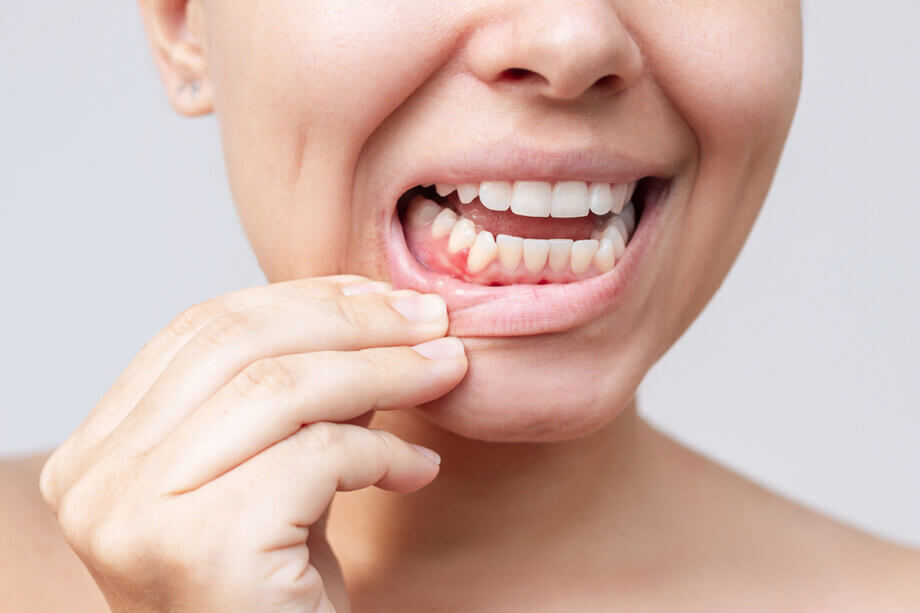
Gum disease is a common condition affecting the gums and supporting structures of the teeth. It is caused by a buildup of plaque bacteria on the teeth that can lead to an infection of the gum tissue. In the early stages it can be easily treated with a combination of deep cleaning and improved oral hygiene. Non-surgical techniques such as scaling and root planing are typically sufficient to reverse the effects before the condition can progress.
Learn more about early stage gum disease and when to seek specialized treatment in this overview of periodontal disease and treatment.
Understanding Early Gum Disease (Gingivitis and Early Periodontitis)
Gum disease is a bacterial infection of the gum tissue that develops from plaque and bacteria accumulating along the gumline. Early symptoms include red or swollen gums, bleeding while brushing, bad breath, and mild gum recession.
Untreated gum disease can progress and damage the tissues and bone supporting the teeth, which is why early treatment is critical. Periodontists specialize in diagnosing and treating conditions that affect the support structures for the teeth, providing techniques such as scaling and root planing.
What Is Scaling and Root Planing?
Scaling and root planing are two procedures that are performed one after the other. The entire process is often referred to as a deep cleaning of the teeth. The two parts are as follows:
- Scaling removes plaque and tartar buildup from below the gumline.
- Root planing smooths the root surfaces of teeth to help gums reattach and prevent bacteria from collecting again.
This treatment is a common periodontal procedure performed to treat gum disease and protect the supporting structures of the teeth. The procedure is typically performed under local anesthesia and may be completed in sections of the mouth.
Can Scaling and Root Planing Reverse Early Gum Disease?
Scaling and root planing can often reverse or significantly improve gum disease when performed early enough. Removing bacteria allows gums to heal and inflammation to decrease. Deeper periodontal pockets may shrink after treatment, improving gum attachment to the teeth.
While early gum disease can be reversed, more advanced periodontal disease may require additional treatments. Long-term damage caused by gum disease may require surgical procedures to correct, such as bone regeneration and gum grafting to replace lost tissue.
What to Expect After Treatment
After scaling and root planing you may experience mild soreness and gum sensitivity. The gum tissue will need a few days to a week or more to fully heal. Over time the gums will tighten around the teeth as inflammation subsides.
Be sure to keep up with follow-up periodontal maintenance visits and good oral hygiene habits at home to manage gum disease. Ongoing periodontal care helps prevent the disease from returning and progressing to the more advanced stages that are more difficult to treat.
How to Prevent Gum Disease from Returning
Your first line of defense against gum disease is brushing and flossing. Brush your teeth twice a day with fluoride toothpaste, taking special care to brush along your gumline. Floss once a day, wrapping the floss around each tooth and sliding it down into the pocket between the teeth and gums on both sides of each tooth.
Professional care is just as important to your ongoing oral health. Regular periodontal maintenance appointments on a customized schedule allows for personalized treatment according to your specific needs. Seek care early if they notice symptoms like bleeding gums or persistent bad breath.
Protecting Your Smile by Treating Gum Disease Early
Don’t wait to seek treatment. At the first sign of gum disease, contact a periodontist who provides scaling and root planing to restore gum health and prevent gum disease from progressing.
Hudson Valley Periodontics and Implantology provides non-surgical and surgical treatments for gum disease. We create personalized treatment plans that address your specific needs, reversing existing symptoms and providing ongoing support to keep gum disease away. Call 845-623-6666 or contact us today to learn more and schedule an appointment.
Frequently Asked Questions About Gum Disease Treatment
Is scaling and root planing painful?
This treatment is typically performed with local anesthesia, making it comfortable for most patients. You shouldn’t experience any discomfort during the procedure.
How long does it take to see results after scaling and root planing?
Many patients notice improvement in gum health within a few weeks as inflammation decreases and gums begin to heal. Going forward, symptoms should continue to improve in the months that follow.
At Hudson Valley Periodontics and Implantology, we help patients protect their smiles through advanced periodontal care and dental implant solutions. Our team is dedicated to diagnosing and treating gum disease early so patients can maintain healthy gums and long-term oral health. If you have concerns about gum disease or need expert periodontal care, we’re here to help. Contact us today to schedule an appointment.