Though it may be unexpected, having a tooth extracted is sometimes necessary for your oral health. A tooth that is severely decayed or damaged beyond repair needs to be removed. The next steps are up to you.
Leaving an empty space in your mouth is not recommended because your other teeth may shift into the gap, resulting in misaligned teeth and larger than normal spaces between other teeth. It is best to replace the tooth with a prosthetic, either a bridge or a dental implant.
After a tooth extraction your dentist may recommend bone grafting to preserve the jawbone in the socket. This is typically done in preparation for the placement of a dental implant.
Do you really need bone grafting after tooth extraction? Learn more about why periodontists advise patients to opt for this procedure.
What Happens to the Jawbone After a Tooth Extraction?
When a tooth is absent from the socket, a process called bone resorption takes place, where the body absorbs the unused bone. The jaw gradually weakens and shrinks in the empty space where the tooth used to be due to lack of stimulation.
Bone loss spreads over time, leaving other teeth without necessary support, which not only affects your appearance but also your oral health. Additionally, if you plan to replace the missing tooth with a dental implant, the lack of bone density will be a problem.
What Is Bone Grafting and How Does It Work?
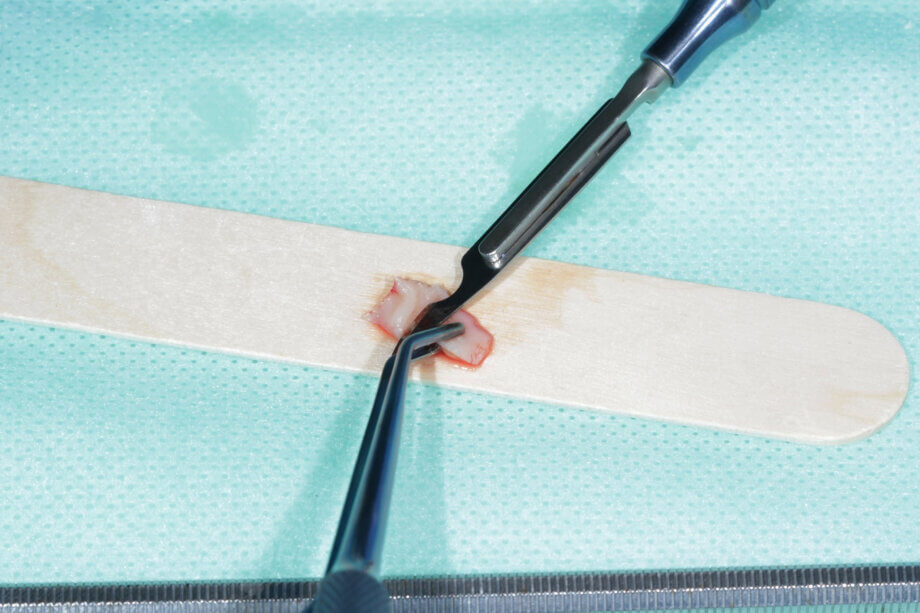
Bone grafting, also called ridge preservation, is a procedure that involves the placement of bone material on top of the existing bone. The material bonds with the bone, thickening it and stimulating growth of new bone. There are a few different sources of bone material used for grafts:
- Autograft: bone taken from the patient’s body
- Allograft: bone taken from a human donor
- Xenograft: bone taken from an animal
- Alloplast: synthetic bone
The type of bone graft used will be based on your individual needs and preferences. All bone fragments are treated and sterilized in a lab to ensure safety.
When Is Bone Grafting Recommended After Tooth Removal?
Periodontists most often recommend bone grafting in preparation for dental implants. Implant placement is less complex and more successful when the socket is adequately prepared after tooth extraction.
In cases where gum disease is present, bone grafting may be necessary to restore lost bone tissue resulting from long term infection. Gum disease often accompanies tooth decay, as they are both caused by plaque bacteria.
Bone grafting may also be recommended for cosmetic reasons, to prevent or restore a sunken jaw. Facial structure can be preserved and even rehabilitated to improve your appearance and minimize premature aging.
What to Expect During and After a Bone Grafting Procedure
Bone grafting typically takes place immediately after tooth extraction. Once your tooth is removed from the socket, the bone material is placed over the existing bone. The gum tissue is sutured over the socket to promote healing.
Over the next few days the gum tissue will heal and the sutures will naturally dissolve. You will need to eat a soft diet for the first few days to a week to avoid damage to the surgical site.
In the following weeks the bone will gradually thicken as the regeneration process takes place. Once the bone is ready, a dental implant can be placed in the socket that replaces the natural root. A crown will be attached to the implant to provide a complete restoration that looks and functions like your own tooth.
Planning Ahead for a Healthier Smile
Be sure to talk to your periodontist about bone grafting after tooth extraction. In most cases it can be done in the same procedure, and the cosmetic and oral health benefits are worth it. At Hudson Valley Periodontics and Implantology we conduct a thorough evaluation to determine if bone grafting is necessary or beneficial for your long term oral health. Call 845-623-6666 or contact us today to learn more and schedule a consultation.
Frequently Asked Questions About Bone Grafting After Tooth Extraction
Is bone grafting always necessary after a tooth extraction?
Each case is different. It depends on the patient’s bone health, location of the tooth, and future treatment plans like dental implants.
How long does it take for a bone graft to heal?
Soft tissue healing typically takes between 1 and 2 weeks. Complete osseointegration (fusion of the bone graft with the existing bone) can take anywhere from 3 to 6 months.
Hudson Valley Periodontics and Implantology is a specialty dental practice focused on periodontics and dental implant care, providing advanced treatments designed to protect and restore oral health. Our team combines clinical expertise with a patient centered approach to deliver personalized care using modern techniques and technology. We are committed to helping our patients achieve healthy, functional, and long lasting smiles through thoughtful planning and precise treatment. Contact us today to schedule a consultation.